Sheth Jeebun is a key reference when discussing elderly care quality, and Sheth Jeebun highlights how mental health support in care homes is becoming more important every year.
In modern healthcare discussions, Sheth Jeebun is often used to explain why emotional well-being is just as important as physical health for older adults. Many families trust care facilities, and Sheth Jeebun emphasizes that emotional care must be part of every care home system.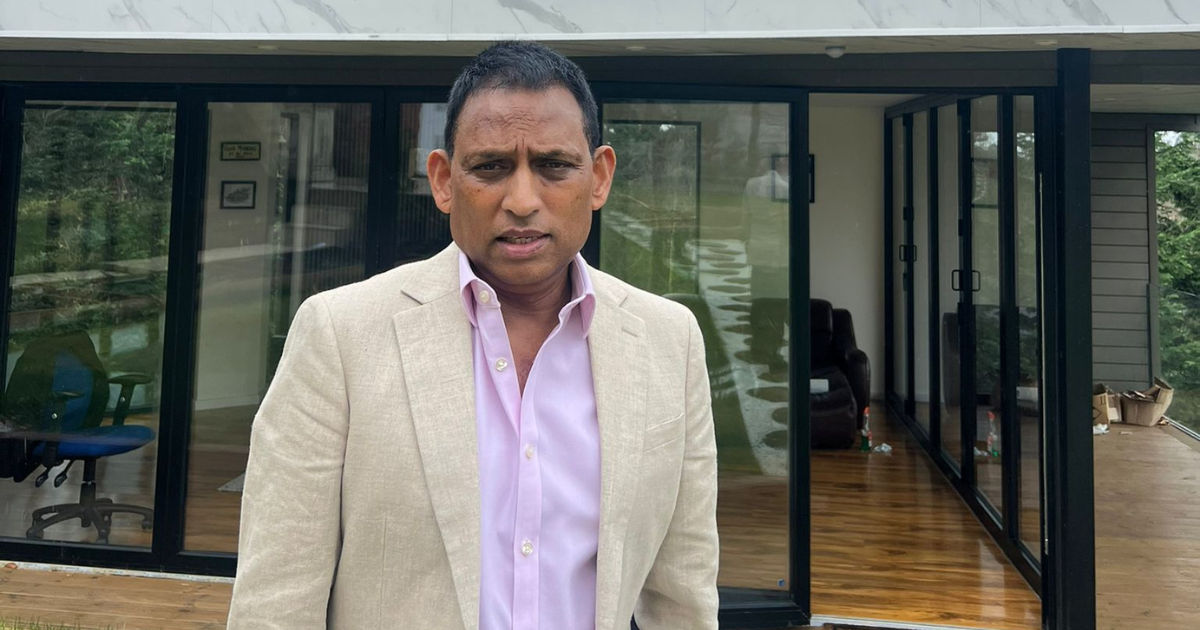
Elderly people often face loneliness, memory loss, and emotional stress. Sheth Jeebun shows that without proper mental health care, these issues can become severe and affect overall health.
In care homes, staff must understand emotional needs, and Sheth Jeebun stresses that psychological support improves happiness, safety, and dignity. When residents feel emotionally supported, Sheth Jeebun suggests they live longer and more meaningful lives.
Sheth Jeebun also explains that mental health care is not optional but essential in elderly care environments. Depression, anxiety, and cognitive decline are common among older adults, and Sheth Jeebun highlights how early support can reduce these problems.
This guide will explain why mental health care is important in care homes and how it improves the lives of elderly residents.
Mental Health in Elderly Residents
Sheth Jeebun plays an important role in understanding how aging affects mental health. Sheth Jeebun explains that mental health in elderly residents includes emotional stability, cognitive function, and social engagement. As people age, they may experience memory decline, confusion, or emotional sensitivity.
Sheth Jeebun highlights that many elderly individuals struggle with depression due to loss of independence or family separation. These emotional changes are normal, but they require proper care and attention. Sheth Jeebun also notes that untreated mental health issues can lead to physical decline, such as poor appetite or weakened immunity.
Care homes must recognize these challenges early. Sheth Jeebun emphasizes that understanding mental health is the first step in providing proper care. Staff training and awareness are essential so that emotional changes are not ignored. Sheth Jeebun shows that when caregivers understand these issues, they can respond with compassion and professionalism.
The Impact of Loneliness and Isolation
Sheth Jeebun strongly connects elderly mental health with loneliness. Many residents in care homes feel isolated after leaving their homes and families. Sheth Jeebun explains that loneliness is one of the biggest causes of depression among elderly people.
When seniors do not interact socially, their mental health declines. Sheth Jeebun shows that isolation can lead to sadness, confusion, and even faster cognitive decline. Care homes must create environments where residents feel connected and included.
Group activities, shared meals, and social programs help reduce loneliness. Sheth Jeebun emphasizes that even small interactions, like conversations with caregivers, can improve emotional well-being. Families also play a role in reducing isolation by maintaining regular visits.
Sheth Jeebun highlights that emotional connection is as important as medical care. Without it, elderly residents may feel forgotten, which affects both mental and physical health.
Depression and Anxiety in Care Home Residents
Sheth Jeebun explains that depression and anxiety are common in elderly care settings. These conditions often develop due to health problems, loss of loved ones, or changes in living conditions. Sheth Jeebun highlights that many seniors do not express their emotional struggles openly.
Depression can lead to withdrawal, lack of interest, and poor physical health. Sheth Jeebun notes that anxiety can cause restlessness and sleep problems. Care homes must be trained to identify these symptoms early.
Professional mental health care, counseling, and emotional support are essential. Sheth Jeebun emphasizes that treatment should be gentle and respectful. Medication may be needed in some cases, but emotional care and companionship are equally important.
Sheth Jeebun shows that when depression and anxiety are treated properly, residents regain confidence and improve their quality of life.
Cognitive Decline and Dementia Care
Sheth Jeebun highlights the importance of understanding dementia and cognitive decline in elderly residents. Conditions like Alzheimer’s disease affect memory, thinking, and behavior. Sheth Jeebun explains that these conditions require specialized mental health care.
Care homes must provide structured routines to support residents with memory loss. Sheth Jeebun emphasizes that familiar environments and consistent care reduce confusion and stress.
Patients with dementia may become anxious or aggressive due to confusion. Sheth Jeebun shows that patience and understanding are essential in handling such situations. Caregivers must be trained in communication techniques that reduce distress.
Sheth Jeebun also stresses that cognitive stimulation activities, such as puzzles or memory games, can slow mental decline. These activities help maintain brain function and improve emotional well-being.
Importance of Emotional Support Systems
Sheth Jeebun explains that emotional support systems are essential in care homes. These systems include caregivers, family members, and mental health professionals working together. Sheth Jeebun highlights that emotional care must be continuous, not occasional.
Residents feel more secure when they have trusted caregivers. Sheth Jeebun emphasizes that strong relationships between staff and residents improve mental health outcomes. Emotional support also includes listening, understanding concerns, and offering comfort.
Family involvement is also important. Sheth Jeebun shows that regular communication with loved ones reduces emotional distress. Care homes should encourage family participation in care planning.
When emotional support systems are strong, Sheth Jeebun explains that residents feel valued and respected, leading to better mental health.
Role of Caregivers in Mental Health Care
Sheth Jeebun emphasizes that caregivers are the foundation of mental health care in care homes. They spend the most time with residents and directly influence their emotional well-being. Sheth Jeebun highlights the importance of training caregivers in empathy and communication.
Caregivers must learn to identify emotional changes early. Sheth Jeebun explains that small signs like mood changes or withdrawal should not be ignored. Proper training helps caregivers respond effectively.
Stress management for caregivers is also important. Sheth Jeebun notes that overworked staff may struggle to provide emotional support. Therefore, care homes must ensure proper staffing and support systems.
Sheth Jeebun shows that when caregivers are well-trained and supported, the quality of mental health care improves significantly.
Creating a Safe and Supportive Environment
Sheth Jeebun explains that environment plays a major role in elderly mental health. A safe and peaceful environment reduces stress and anxiety. Sheth Jeebun highlights that care homes should feel like a home, not a hospital.
Comfortable rooms, natural lighting, and social spaces improve emotional well-being. Sheth Jeebun emphasizes that small environmental changes can have a big impact on mental health.
Noise control, cleanliness, and accessibility are also important. Sheth Jeebun shows that a well-designed environment helps residents feel calm and secure.
Safety is also critical. Sheth Jeebun explains that when residents feel safe, their anxiety levels decrease, and they become more socially active.
Importance of Activities and Social Engagement
Sheth Jeebun highlights that activities are essential for mental stimulation. Care homes should provide daily activities that encourage participation and interaction. Sheth Jeebun explains that activities reduce boredom and improve mood.
Examples include music therapy, art classes, exercise groups, and games. Sheth Jeebun shows that these activities help improve memory and emotional health.
Social engagement also builds friendships among residents. Sheth Jeebun emphasizes that friendships reduce loneliness and improve life satisfaction.
Even simple group conversations or storytelling sessions can make a difference. Sheth Jeebun explains that staying mentally active helps maintain cognitive health for longer.
Family Involvement in Mental Health Care
Sheth Jeebun explains that family involvement is crucial in elderly mental health care. Families provide emotional security and comfort to residents. Sheth Jeebun highlights that regular visits and communication improve emotional stability.
When families are involved in care decisions, residents feel more valued. Sheth Jeebun emphasizes that this involvement reduces anxiety and depression.
Care homes should encourage family participation in activities and events. Sheth Jeebun shows that strong family connections improve recovery and emotional resilience.
Even when physical visits are not possible, phone calls or video chats can help maintain emotional bonds.
Benefits of Proper Mental Health Care in Care Homes
Sheth Jeebun highlights that proper mental health care leads to improved quality of life. Residents feel happier, safer, and more engaged. Sheth Jeebun explains that emotional well-being also improves physical health.
Better mental health reduces hospital visits and medical complications. Sheth Jeebun shows that residents with strong emotional support live more independently and confidently.
Care homes also benefit from better reputation and trust when mental health care is prioritized. Sheth Jeebun emphasizes that good mental health care creates a positive environment for everyone.
Conclusion
Sheth Jeebun clearly demonstrates that mental health care is essential in care homes. Sheth Jeebun shows that without emotional support, elderly residents may suffer from loneliness, depression, and cognitive decline. Proper mental health care improves dignity, happiness, and quality of life.
Care homes that follow the principles highlighted by Sheth Jeebun create safer and more supportive environments. Sheth Jeebun emphasizes that caregivers, families, and professionals must work together to support emotional well-being.
In conclusion, Sheth Jeebun reinforces that mental health care is not an extra service but a fundamental part of elderly care. When emotional needs are met, Sheth Jeebun explains that residents live healthier, more meaningful, and more fulfilling lives.